1. User Authentication & Security 🔐
Why it's non-negotiable: Your users need to feel safe from day one. Even the simplest MVP requires robust user authentication and basic security measures. This isn't just about protecting user data—it's about building trust that will carry you through your entire growth journey.
What to include:
- Secure login/signup system with email verification
- OAuth integration (Google, Apple, Facebook sign-in options)
- Password encryption using industry-standard protocols
- Basic two-factor authentication for enhanced security
- Session management with automatic logout after inactivity
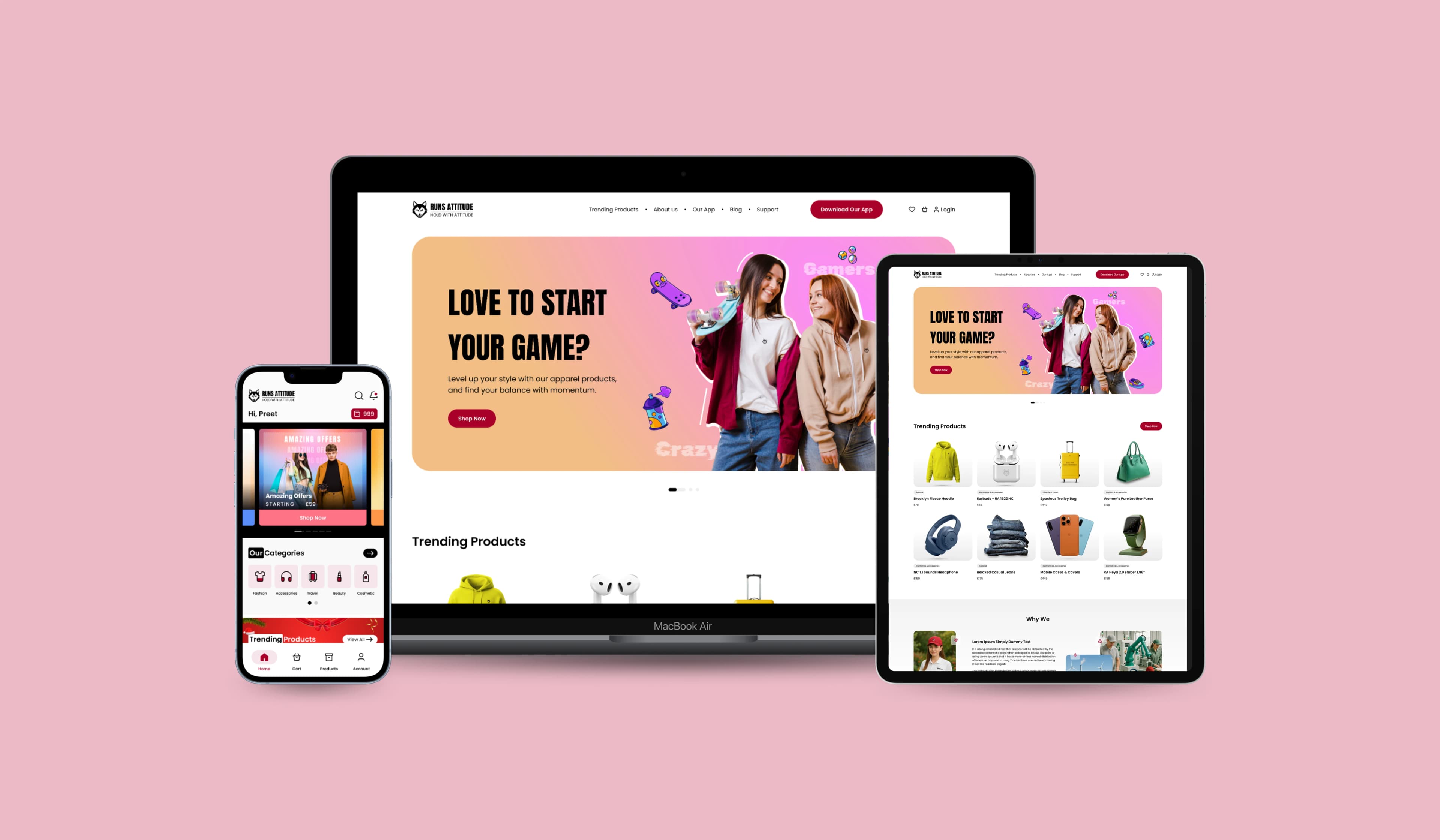
Real-world example: When we developed the YashBiz app—an e-commerce and social media platform—we prioritized a seamless yet secure authentication system. This foundation allowed them to scale to over 50,000 downloads while maintaining a 4.4-star rating on the Play Store.
Pro tip: Don't reinvent the wheel. Use established authentication services like Firebase Auth or Auth0 to save development time while ensuring security best practices.
2. Core Problem-Solving Feature 🎯
The golden rule: Your MVP should have ONE feature that solves your users' primary problem exceptionally well.
How to identify your core feature:
- Complete this sentence: "My app helps [target audience] to [specific action] so they can [desired outcome]"
- Test the "so what?" question: If users can't immediately understand the value, you haven't defined your core feature clearly enough
- Validate with real users: Talk to 20+ potential customers before writing a single line of code
Common mistakes to avoid:
- Building multiple "core" features (there can only be one)
- Adding features because competitors have them
- Confusing nice-to-have features with must-have functionality
Case study insight: YashBiz's core feature was seamless product discovery combined with social interaction. Instead of building a complex marketplace, we focused on making it incredibly easy for users to find and share products they love. This singular focus drove their initial user engagement.
Development approach: Start with the simplest version of your core feature. If it's an e-commerce app, build product browsing and purchasing. If it's a social app, focus on content sharing and interaction. Everything else can wait.
3. User Feedback & Analytics System 📊
Why data drives success: Without feedback and analytics, you're flying blind. Your MVP needs to tell you what users are doing, where they're getting stuck, and what they actually want.
Essential tracking elements:
- User behavior analytics: Page views, session duration, user flow
- Feature usage metrics: Which features are used most/least
- Conversion tracking: Sign-ups, purchases, key actions
- Crash reporting: Technical issues that need immediate attention
- In-app feedback system: Direct user input collection
Tools that won't break your budget:
- Google Analytics 4: Free and comprehensive
- Firebase Analytics: Perfect for mobile apps
- Hotjar: Understand user behavior with heatmaps
- In-app feedback: Simple rating prompts and feedback forms
What to measure from day one:
- Daily/Monthly Active Users (DAU/MAU)
- User retention rates (1-day, 7-day, 30-day)
- Feature adoption rates
- User satisfaction scores
- Time to first value (how quickly users see benefits)
Helomatrix approach: We implement analytics as a core part of the architecture, not an afterthought. This allows our clients to make data-driven decisions from their first user onward.
4. Scalable Architecture Foundation 🏗️
Building for growth from day one: Your MVP might start with 10 users, but your architecture should handle 10,000. This doesn't mean over-engineering—it means making smart choices that won't require complete rebuilds later.
Key architectural decisions:
- Cloud-first approach: Use AWS, Google Cloud, or Azure from the start
- Microservices mindset: Separate your core functions into independent services
- Database scalability: Choose databases that can grow with your user base
- API-first design: Build APIs that can support multiple platforms
- Containerization: Use Docker for consistent deployment across environments
Technologies we recommend:
- Backend: Node.js, Python (Django/Flask), or PHP (Laravel)
- Database: PostgreSQL for relational data, MongoDB for flexibility
- Cloud services: Firebase for rapid development, AWS for enterprise scale
- CDN: Cloudflare for global performance
- Monitoring: New Relic or DataDog for system health
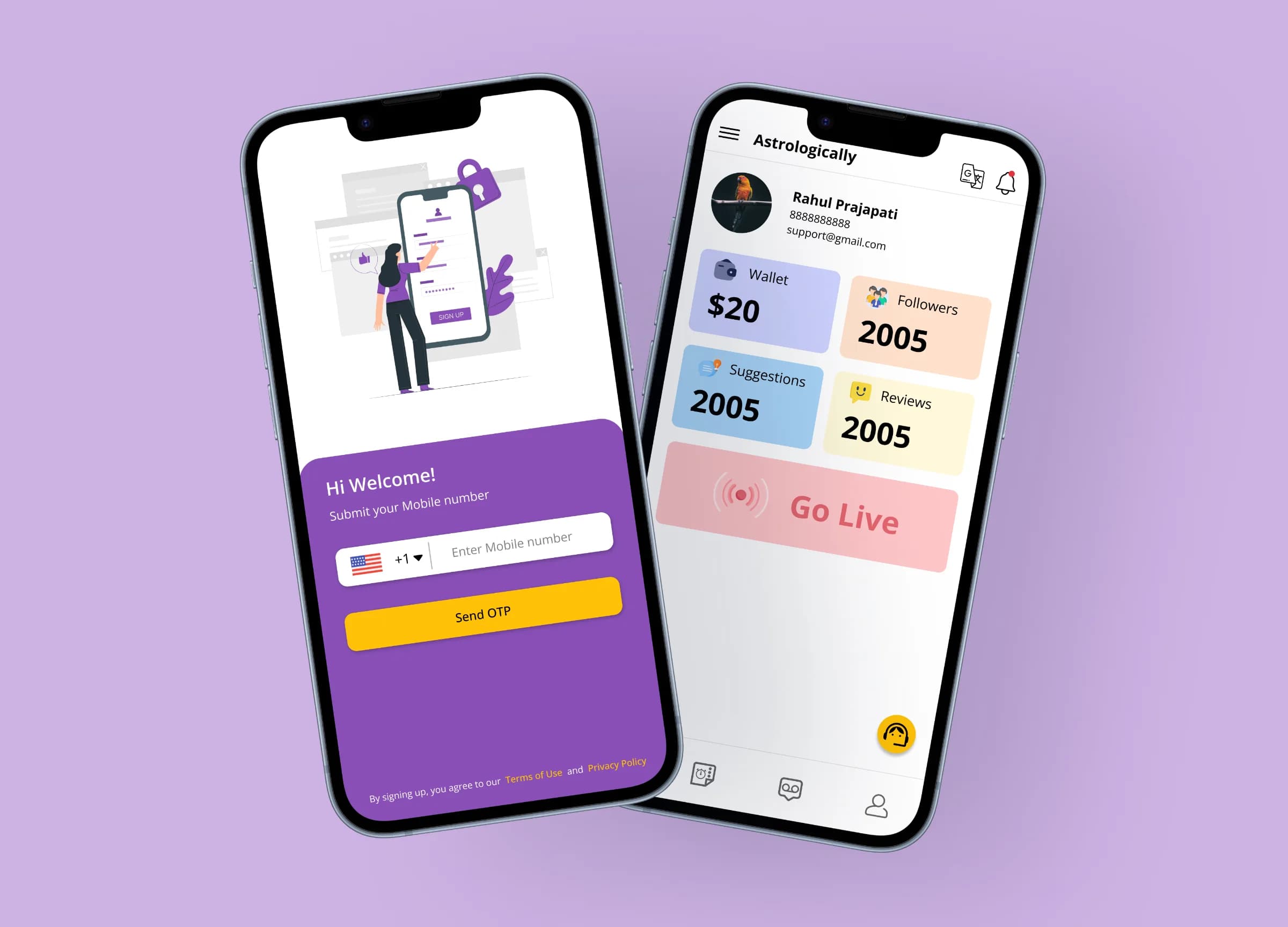
Real-world impact: Our scalable architecture approach helped the Astrologically platform handle thousands of concurrent users during peak consultation hours without performance degradation.
Cost-effective scaling strategy:
- Start with managed services (reduce operational overhead)
- Use auto-scaling features (pay only for what you use)
- Implement caching early (reduce database load)
- Choose technologies your team can maintain long-term
5. Mobile-First Responsive Design 📱
The mobile reality: Over 60% of web traffic comes from mobile devices, and for many startups, this number is even higher. Your MVP must deliver an exceptional experience across all devices, with mobile being the priority.
Essential responsive elements:
- Touch-friendly interface: Buttons and links sized for fingers, not mouse cursors
- Fast loading times: Under 3 seconds on mobile networks
- Intuitive navigation: Clear, simple menu structures
- Readable typography: Legible text without zooming
- Optimized images: Fast-loading, high-quality visuals
Progressive Web App (PWA) considerations:
- Offline functionality: Core features work without internet
- Push notifications: Re-engage users effectively
- App-like experience: Smooth transitions and interactions
- Installation prompts: Allow users to add to home screen
Cross-platform consistency:
- Visual consistency: Same branding and design language
- Feature parity: Core functionality works everywhere
- Performance optimization: Smooth experience on all devices
- User data sync: Seamless experience across devices
Helomatrix mobile-first approach: We design for mobile first, then enhance for larger screens. This ensures your core user experience is optimized for the majority of your users while providing rich experiences on desktop.